
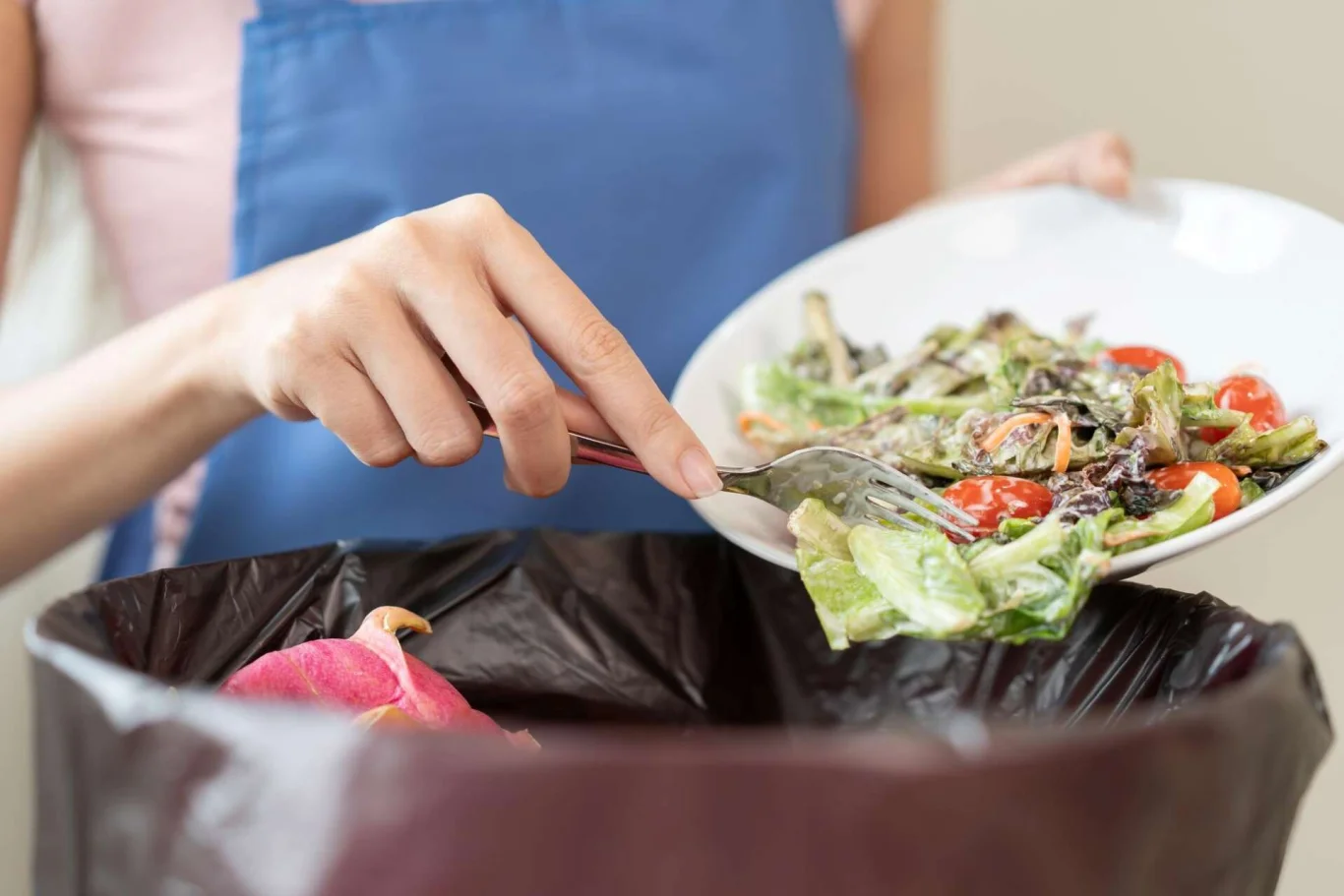
Ten years ago Italy brought in Law 166/2016, known as the Gadda Law, to cut food and pharmaceutical waste by making donations simpler. The results are now in: since 2016 around 3.7 million tonnes of surplus food and 40 million packs of medicine have been donated in Italy, with a total estimated value of €10.3 billion. The figures come from research by Fondazione Terzjus ETS and Fondazione Valore, supported by Fondazione Cariplo and presented at the Italian Chamber of Deputies during the conference “Ten Years That Don’t Go to Waste”.
A decade in numbers
According to Gabriele Sepio, president of Fondazione Valore, the €10.3 billion figure is a conservative estimate: the research is still ongoing and does not yet cover sectors such as agriculture, fishing, bars and restaurants, where consistent national data is not available. The law’s real impact is therefore likely to be higher.
Food bank network Banco Alimentare offers a clear sign of growth: between 2016 and 2025, the surplus it collected from manufacturers and retailers rose by 95%, from about 22,000 to 42,800 tonnes a year.
A widespread, locally rooted network
The study describes a dense solidarity supply chain. In the past twelve months, 80.3% of organisations collected food, 67.4% non-food goods and 41% medicines, with 66% active in at least two of these areas.
Businesses are the engine of the system: 81.2% of organisations receive donations from companies, while 61% also rely on public collection drives and 22.6% redistribute goods provided by public bodies.
The network runs largely on volunteers: 51.6% of organisations have no paid staff, and another 19.6% employ between one and five people. Some 85.6% are listed in Italy’s national Third Sector register (RUNTS). Notably, 55.4% started collecting and distributing goods after the law came into force, with a marked rise after the pandemic.
Who gets the help
Distribution is mostly hyper-local: in 72% of cases goods are delivered within the same town or neighbourhood. The main recipients are families and individuals struggling to make ends meet (26.6%), vulnerable elderly people (17.3%), homeless people and those living in poverty (15.4%) and resident immigrants (13.3%). The anti-waste chain is as much a social inclusion tool as an environmental one.
The law’s “second half”
For MP Maria Chiara Gadda, who sponsored the law, the numbers prove that betting on simplification and incentives rather than obligations and penalties paid off. The next step, she argues, is to support the logistics and equipment of non-profits, including through a tax credit, and to add mental health medication to the list of donatable goods.
Luigi Bobba stressed the need to strengthen the network through training, digital tools and closer cooperation between non-profits, businesses and institutions.
The awareness gap
One clear weakness remains: only 39.6% of organisations say they know Law 166/2016 in depth. Another 50.9% have heard of it without knowing how it works, and 9.5% are unaware it exists. Unsurprisingly, broader information campaigns top the list of priorities, followed by support for distributing organisations, stronger incentives for business and individual donors, and reinforced networks. Volunteers also call for training in project design, fundraising, digital tools, and legal and tax support.