
The climate crisis is profoundly changing insect and invertebrate populations. According to the new WWF report, “Insects and people: who wins and who loses in a changing climate?”, global warming is penalizing many species that support ecosystems, while favoring narrower groups, often alien and potentially harmful to human health and food security.
The report summarizes and analyzes scientific evidence on the transformation of many invertebrate populations, including insects, in a context marked by rising average temperatures and abnormal changes in humidity, rainfall and extreme events.
Climate pressure on ecosystems
The climate crisis is not acting alone. The report highlights how climate change amplifies other phenomena caused by human activities, including habitat fragmentation.
The result is growing pressure on many insect and invertebrate species, some of which risk disappearing. At the same time, a few species, often more adaptable and in several cases harmful, are gaining ground, with consequences for ecosystems, agriculture and health.
Pollinators under increasing pressure
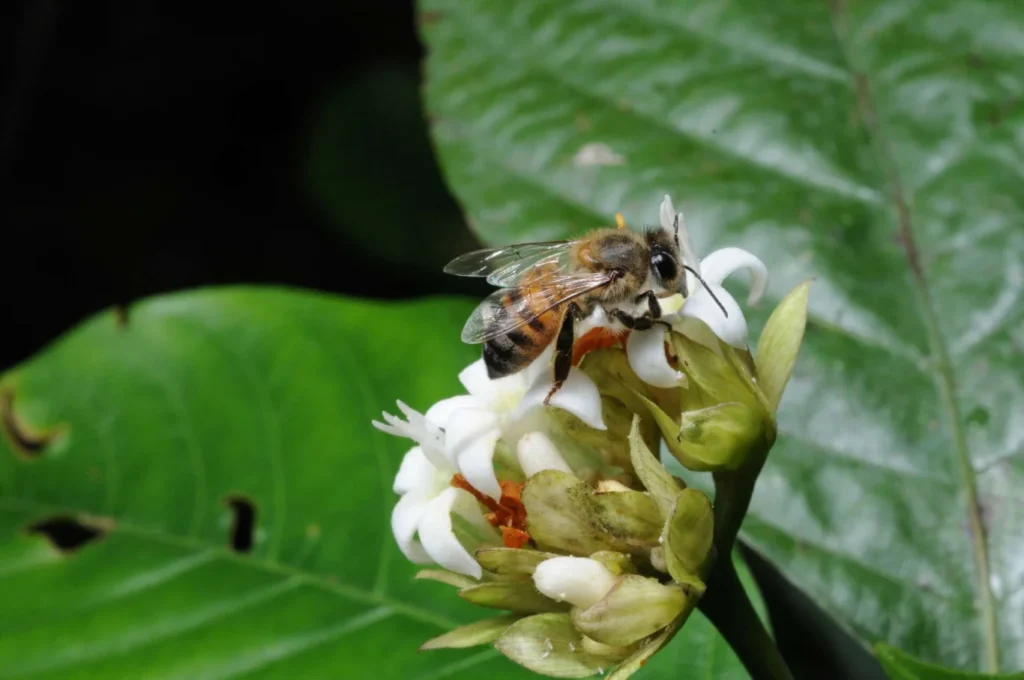
Among the most vulnerable species are pollinators, which are essential for plant reproduction. The report notes that 90% of wild flowering plants and 75% of crops depend on pollination carried out by these animals.
In Europe, 10% of apoidea species are threatened with extinction, while 28% of lepidoptera species are threatened or near threatened. On this issue, WWF Italy has launched the petition “Defend Pollinators”.
Freshwater invertebrates and water quality
A similar risk affects freshwater invertebrates, species that are essential to the quality of river ecosystems. Their decline weakens the natural ability of rivers to self-purify and process organic matter.
The loss of these functions can degrade the quality of water needed for human consumption and agriculture, undermining already fragile balances.
Harmful species and disease vectors expand
While many useful species are declining, others that may be harmful are finding more favorable conditions. This is the case for plant-eating pests such as the spruce bark beetle, a native species capable of devastating forest environments, and highly polyphagous invasive alien species such as the Japanese beetle and the brown marmorated stink bug, which cause major damage to agriculture.
The climate crisis is also favoring the spread of disease-carrying insects, including several species of mosquitoes and ticks. Milder winters and more favorable spring and summer conditions increase their survival and activity, with direct consequences for human health.
WWF’s proposals
According to WWF Italy, the situation is serious but not irreversible. The report points to several lines of action: reducing emissions linked to fossil fuels to keep warming within the +1.5°C threshold and in any case well below 2°C; implementing the Nature Restoration Law, the EU Biodiversity Strategy 2030 and the Water Framework Directive; and promoting the agroecological transition by reducing pesticide use, applying integrated crop management and restoring landscape complexity.
Another key point is the One Health approach, which recognizes the link between human, animal and environmental health. Managing disease vectors must combine environmental monitoring, citizen involvement, information and prevention, while also reducing the risk of resistance to the active substances in insecticides.
To achieve these goals, WWF calls for broad cooperation among institutions, civil society and productive sectors. In Trentino-Alto Adige and other areas of northern Italy, for example, a collective effort is considered essential to stop the spread of the spruce bark beetle.
The climate crisis and biodiversity loss therefore emerge as complex problems requiring informed participation, shared decisions and coordinated action at local, national and international levels.